
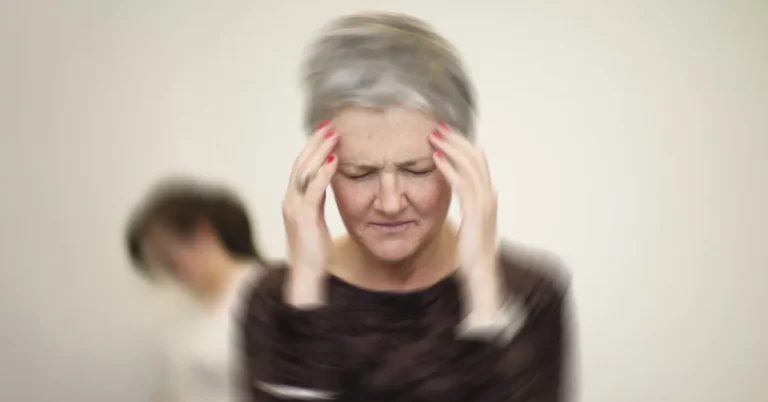
If you experience sudden episodes of dizziness when turning over in bed, looking up, or changing position, you may be suffering from Benign Paroxysmal Positional Vertigo (BPPV). Although the symptoms can be alarming, BPPV is a common and highly treatable condition when accurately diagnosed and managed by a vestibular physiotherapy specialist.
At Physis Physiotherapy, we provide expert vestibular physiotherapy for BPPV in Edinburgh, helping patients recover quickly, regain confidence in their balance, and reduce the risk of recurrence.
What is BPPV?
Benign Paroxysmal Positional Vertigo (BPPV) occurs when tiny calcium carbonate crystals (often called otoconia) within the inner ear become displaced and move into the wrong part of the balance canals. These crystals then interfere with the normal functioning of the vestibular system, creating conflicting signals between the inner ear, eyes, and brain.
This mismatch in balance information can result in a range of symptoms that are often triggered by changes in head position.
Common Symptoms of BPPV
People with BPPV commonly experience:
- Dizziness
- Vertigo (a sensation that the room is spinning)
- Loss of balance or unsteadiness
- Nausea
- Vomiting
- Increased symptoms when rolling in bed
- Dizziness when looking up or bending down
- Feelings of motion sensitivity
Symptoms typically occur in brief episodes following specific head movements, although some individuals may feel unsettled or off-balance between attacks.
What Causes BPPV?
Most cases of BPPV are considered idiopathic, meaning the exact cause is unknown. However, several factors are commonly associated with the development of the condition, including:
- Recent viral illnesses
- Prolonged periods of lying down due to illness or surgery
- Falls or head injuries
- Trauma involving the neck or head
- Age-related changes within the inner ear
While anyone can develop BPPV, it is particularly common in older adults.
The Importance of Accurate Diagnosis
Many conditions can cause dizziness, vertigo, and balance problems. These include vestibular neuritis, Ménière’s disease, migraine-associated dizziness, cardiovascular conditions, and neurological disorders.
Because of this, correct diagnosis is essential.
A thorough vestibular assessment helps determine:
- Whether BPPV is the cause of your symptoms
- Which inner ear canal is affected
- Which side of the vestibular system is involved
- Whether another condition may be contributing to your dizziness
Without an accurate diagnosis, treatment may be ineffective or potentially worsen symptoms.
Identifying the Correct Side Matters
One of the biggest challenges in managing BPPV is accurately identifying which ear and which canal are affected.
Many treatment manoeuvres can be found online, but these techniques are only effective when applied to the correct diagnosis. If the wrong canal or side is identified, treatment may not work and symptoms can persist.
Attempting self-treatment also presents practical challenges:
- It can be difficult to perform manoeuvres correctly on your own.
- Positioning errors can reduce treatment effectiveness.
- Incorrect techniques may provoke unnecessary symptoms.
- Other causes of dizziness may be overlooked.
Working with a vestibular physiotherapist ensures that the correct assessment and treatment approach is used from the outset.
Effective BPPV Treatment
Effective BPPV treatment involves more than simply performing a repositioning manoeuvre.
At Physis, treatment typically includes:
Vestibular Rehabilitation
Vestibular rehabilitation is a specialist form of physiotherapy designed to restore normal balance system function. Treatment may include:
- Canal repositioning manoeuvres
- Balance retraining exercises
- Movement and positional adaptation exercises
- Gaze stability exercises where appropriate
- Education and advice on symptom management
Symptom Management
For some individuals, medication may be used to help manage severe symptoms such as nausea and vomiting, particularly during acute episodes. This is typically advised in consultation with a GP or medical specialist.
Individualised Rehabilitation Programme
Long-term success depends on appropriate rehabilitation after the initial treatment phase. Tailored exercises help:
- Improve balance confidence
- Reduce lingering dizziness
- Restore normal movement patterns
- Minimise the likelihood of recurrence
- Support a safe return to normal activities
What Can I Do Myself for BPPV?
If you think you have BPPV, there are a few things you can do to help manage your symptoms:
- Move slowly when changing position, particularly when getting out of bed.
- Use support when walking if you feel unsteady.
- Stay hydrated and try to keep active within your symptom limits.
- Avoid activities that may be unsafe if dizziness occurs, such as climbing ladders or driving when symptoms are severe.
- Seek a professional assessment to confirm the diagnosis before attempting any treatment manoeuvres.
While online videos may suggest self-treatment techniques, successful management depends on correctly identifying the affected ear and canal. For this reason, vestibular physiotherapy is often the safest and most effective way to treat BPPV and reduce the risk of symptoms returning.
Why Choose Physis Physiotherapy for BPPV Treatment in Edinburgh?
At Physis, we specialise in the assessment and treatment of dizziness and vestibular disorders. Our vestibular physiotherapy service focuses on:
- Accurate diagnosis
- Identification of the affected side and canal
- Evidence-based vestibular rehabilitation
- Personalised exercise programmes
- Long-term symptom management and prevention
Our goal is not only to resolve your current symptoms but also to equip you with the knowledge and rehabilitation strategies needed for lasting improvement.
FAQ
1. How do I know if my dizziness is BPPV?
BPPV usually causes brief episodes of room-spinning dizziness triggered by movements such as rolling in bed, looking up, or bending down. However, many conditions can cause dizziness, so an assessment is needed to confirm the diagnosis and identify the affected side.
2. Can BPPV go away on its own?
Yes, it can resolve naturally, but symptoms may last for weeks or months. Vestibular physiotherapy can often speed up recovery with specific manoeuvres that reposition the crystals within the inner ear.
3. Can I treat BPPV myself using online videos?
Treatment is only effective if the correct side and canal are identified first. Many people find self-treatment difficult to perform correctly, so a professional assessment usually leads to faster and more effective results.
4. Why do I still feel unsteady after treatment?
Even when the crystals have been repositioned successfully, your balance system may need time to recover. Vestibular rehabilitation exercises help reduce lingering dizziness, improve balance, and restore confidence with movement.
5. Can BPPV come back?
Yes, BPPV can recur, even after successful treatment. The good news is that repeat episodes are usually treated effectively, and ongoing vestibular rehabilitation can help improve long-term balance and function.
Book a Vestibular Physiotherapy Assessment in Edinburgh
If you are experiencing dizziness, vertigo, nausea, balance problems, or room-spinning sensations, professional assessment is essential to determine whether BPPV is the cause.
Physis provides expert vestibular physiotherapy for BPPV in Edinburgh, offering accurate diagnosis, effective treatment, and personalised rehabilitation to help you regain confidence and return to your normal activities as quickly as possible.
Contact Physis today to arrange your vestibular assessment and start your recovery from BPPV.